The History and Ethical Dimensions of Chemical Weapons
Introduction
Chemical weapons, known for their devastating effects on both human lives and the environment, are among the most controversial instruments of warfare. Their use has caused profound ethical debates and significant international legal actions aimed at limiting or banning their deployment. This article explores the historical development of chemical weapons, the moral dilemmas they present, and the global efforts to control their proliferation.
Early Uses of Chemical Weapons
The use of toxic substances in warfare is not a modern phenomenon. Historical records indicate that as early as 600 B.C., the ancient Greeks and Chinese used poisonous smoke in battle. The Spartans burned sulfur to create toxic clouds during sieges, while ancient Chinese military texts described using arsenic-based compounds to poison enemies.
During the Middle Ages, there were instances of armies using quicklime and other irritants to harm opposing forces. However, these early applications of chemical agents were limited by technological constraints and a lack of large-scale delivery methods.
World War I: The Birth of Modern Chemical Warfare
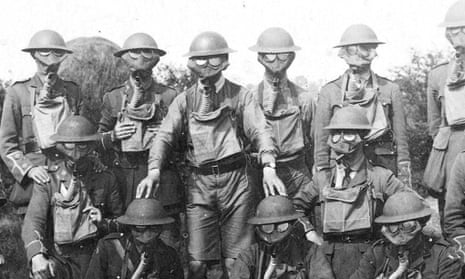
The first large-scale use of chemical weapons occurred during World War I. In 1915, German forces deployed chlorine gas during the Second Battle of Ypres, resulting in thousands of casualties and ushering in a new era of chemical warfare. Over the course of the war, both Allied and Central Powers utilized a range of chemical agents, including mustard gas, phosgene, and tear gas.
These weapons caused severe injuries—blindness, respiratory damage, and chemical burns—and led to the deaths of approximately 90,000 soldiers. The psychological impact on survivors was profound, and public outcry against chemical warfare grew, paving the way for future international treaties.
The Geneva Protocol and Its Limitations
In response to the horrors of World War I, the international community adopted the Geneva Protocol in 1925. This treaty prohibited the use of chemical and biological weapons in warfare but did not ban their development or stockpiling. While a significant step forward, the lack of enforcement mechanisms and the narrow scope of the protocol allowed nations to continue producing chemical weapons.
During World War II, despite extensive research and stockpiling, major powers refrained from deploying chemical weapons on the battlefield. However, Japan used chemical agents during its invasion of China, highlighting the persistent threat these weapons posed.
The Cold War and the Arms Race
The Cold War era saw a significant increase in chemical weapons production as the United States and the Soviet Union engaged in an arms race. Both countries developed advanced nerve agents, including sarin and VX, which were far more lethal than the gases used during World War I.
This period also witnessed the use of chemical weapons in regional conflicts. For instance, Iraq employed mustard gas and nerve agents against Iranian forces and Kurdish civilians during the Iran-Iraq War in the 1980s, resulting in international condemnation.
The Chemical Weapons Convention (CWC)
In 1993, the international community adopted the Chemical Weapons Convention (CWC), a comprehensive treaty banning the development, production, stockpiling, and use of chemical weapons. The treaty, which entered into force in 1997, established the Organisation for the Prohibition of Chemical Weapons (OPCW) to oversee implementation and verify compliance.
As of today, over 190 countries are parties to the CWC, and significant progress has been made in destroying chemical weapon stockpiles. However, incidents involving chemical weapons, such as their use in the Syrian Civil War, demonstrate that challenges remain in ensuring full compliance.
Ethical Considerations of Chemical Warfare
The use of chemical weapons raises profound ethical questions. Their indiscriminate nature often results in civilian casualties, violating the principles of proportionality and distinction in warfare. Furthermore, the long-term environmental and health consequences of chemical agents extend far beyond immediate conflict zones.
Philosophers and ethicists argue that the suffering caused by chemical weapons is inherently inhumane and violates basic human rights. From a utilitarian perspective, the overwhelming harm caused by these weapons outweighs any potential military advantage, while deontological ethics emphasize the intrinsic immorality of using means that cause unnecessary suffering.
Contemporary Challenges and Future Directions
Despite international bans, the threat of chemical weapons persists. Non-state actors, such as terrorist organizations, pose a significant risk, as evidenced by attacks using sarin gas in Japan and the use of chlorine in the Syrian conflict. Strengthening global cooperation, improving verification methods, and enforcing strict penalties for violators remain crucial in addressing these challenges.
Technological advancements also present new ethical dilemmas. The development of novel chemical agents and the potential misuse of emerging biotechnologies require continuous vigilance and updated regulatory frameworks.
Conclusion
The history of chemical weapons is marked by tragedy, scientific advancement, and international efforts to prevent future atrocities. While significant strides have been made through treaties like the CWC, ongoing conflicts and emerging technologies underscore the need for persistent global cooperation. Upholding ethical standards and ensuring accountability are essential to safeguarding humanity from the devastating effects of chemical warfare.
References
Tucker, J. B. (2006). War of Nerves: Chemical Warfare from World War I to Al-Qaeda. Pantheon.
Meselson, M., & Robinson, J. P. (2005). "The History of Chemical Weapons and the Chemical Weapons Convention." The New England Journal of Medicine, 352(12), 1232-1238.

Comments
Post a Comment